
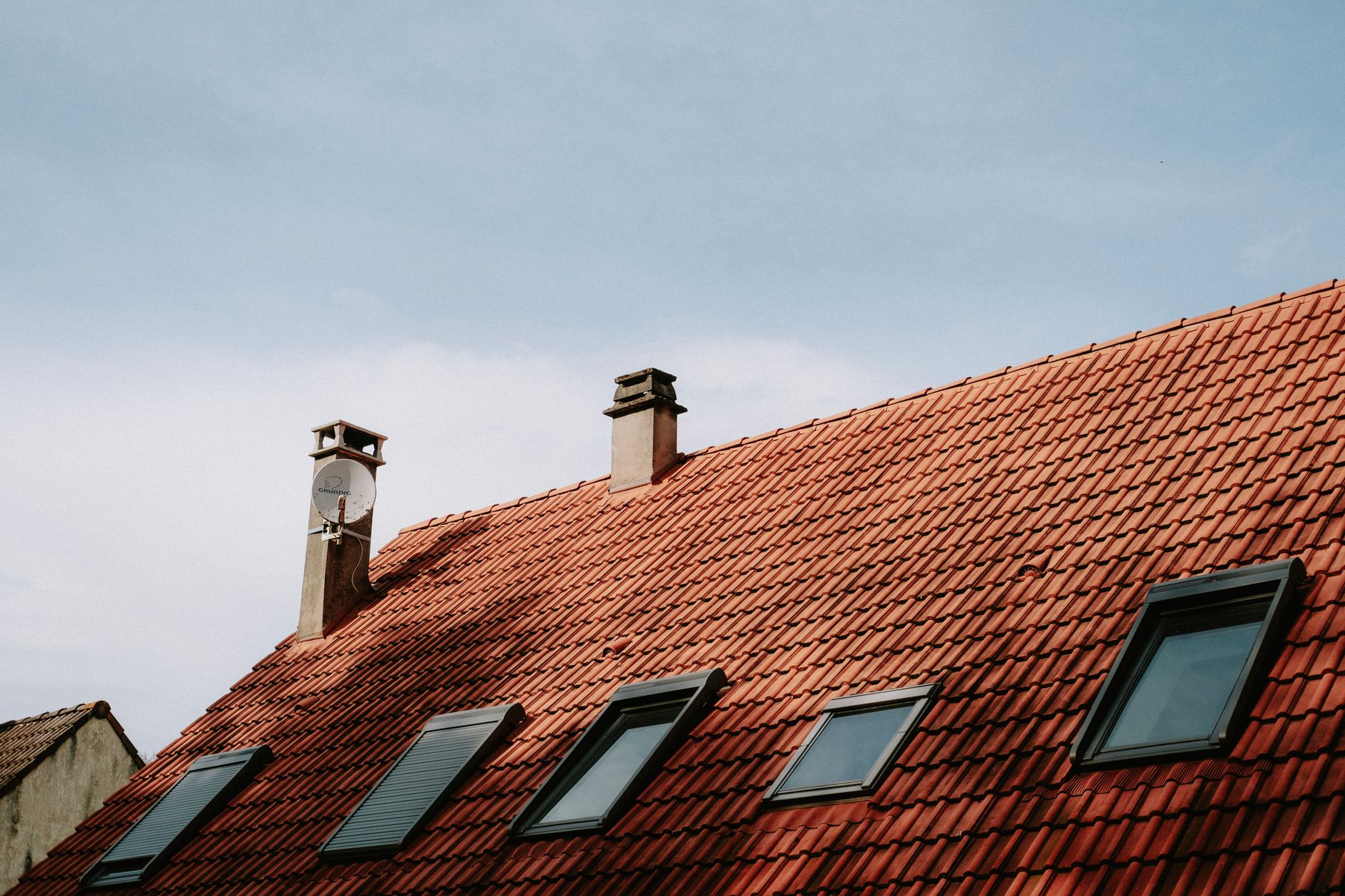

Gas does not mean there is nothing to check
Buyers often pass over the chimney when the fireplace burns gas, on the idea that there is nothing to sweep. A sale is exactly when to look. The national chimney standard, NFPA 211, treats a house changing owners as a reason for its middle inspection level, the one that adds a camera. Nothing in that rule exempts gas.
The reason is practical. A gas hearth still sends exhaust somewhere: up a metal vent inside a framed chase, up a liner in a brick chimney, or up the original clay flue past a damper held open by a clamp. Any of those can be disconnected, rusted, blocked or too close to wood, and the general home inspection is not set up to see inside them.
What the camera inspection covers on a gas hearth
What we look at depends on which kind of gas fireplace the house has.
- Sealed direct-vent unit. The glass, its gasket and the rating plate; the vent pipe joints where they can be reached in the chase or attic; clearance between the pipe and framing; the termination cap; and on a framed chimney, the metal top of the chase.
- Log set in a masonry fireplace. The damper clamp, the firebox, the full length of the clay flue on camera, the crown, the cap and the flashing.
- Insert. The seal between the insert and the opening, the liner connections, the top plate and the termination.
On all three we fire the appliance, watch the flame and take a carbon monoxide reading. The Level 2 inspection is $410. A Level 1, at $175, suits a yearly check on a hearth used the same way by the same owner, not a sale.
Findings we see often around here
Homes in Laguna Niguel and Mission Viejo were largely built from the 1970s on, and the gas hearths in them show a familiar set of problems at sale time:
- vent sections that have slipped apart inside the chase or attic
- a rusted chase top letting water down onto the unit; see chase cover and leak costs
- a log set burning in a masonry box with no damper clamp fitted
- soot on the hood above the opening, which points to poor burning
- a glass gasket that has gone hard or come away
- a rating plate that is missing, so the listing of the unit cannot be confirmed
Each finding is written with a photo, its location and what it means for the house.
Who receives the report
The report belongs to whoever orders and pays for it. If that is the buyer, the buyer decides whether the seller's side sees it. Agents, a lender, an insurer or a co-buyer are added when the client says so. A seller who orders a Level 2 before listing owns that report in the same way and can hand it to buyers with the disclosures. Our home sale inspection page lays out who gets what.
Fitting it into the contract window
The inspection period in a purchase contract is short and fills quickly with the general inspection, the termite report and often a roof check. Put the chimney in the first round of bookings, not the last, so any repair figure is in hand while there is still room to ask for it.
What decides the next step is the report itself. Findings come back sorted into three groups: stop using it until fixed, fix soon, and keep an eye on. The first group usually becomes a repair request or a credit. Where a fix has a price on this site, the report uses it: tracing and fixing a leak is $590 to $3,550. A chimney cap is quoted after we measure. Other fixes get a written figure from us after the inspection.
To set one up, fill in the quote form with the property address, which side of the sale you are on and the date the contingency ends. If you cannot be there, the agents can arrange access through the lockbox.
When the seller already has a report
Some sellers in Laguna Niguel order a Level 2 before the house goes on the market and hand the report over with the disclosures. That is a good start for a buyer, but read the date and the scope. A report from a previous season does not show what the winter rain has done since, and a report that covered a log set in the family room may say nothing about a sealed unit in the main bedroom.
If the seller's report is recent, covers every hearth and shows clear photos of each vent and flue, a buyer may decide it is enough. If it is old, thin or leaves a fireplace out, a fresh inspection ordered by the buyer gives a report the buyer owns and can rely on. We can also look at only the hearths the earlier report left out.
For agents
Buyer's agents who send us several deals a season can read how we handle bookings and report copies on the page for real estate agents. The Level 2 inspection page covers the inspection itself.
Next
Whether you are buying in Laguna Niguel or selling in Dana Point, the contact page is where the inspection gets booked and the report recipients get named.
Want a Technician to Look at Yours?
Kerrigan Chimney Contractors works out of Laguna Niguel on gas fireplaces, log sets, inserts and the chimneys behind them. We read the part, then price the fix.


