
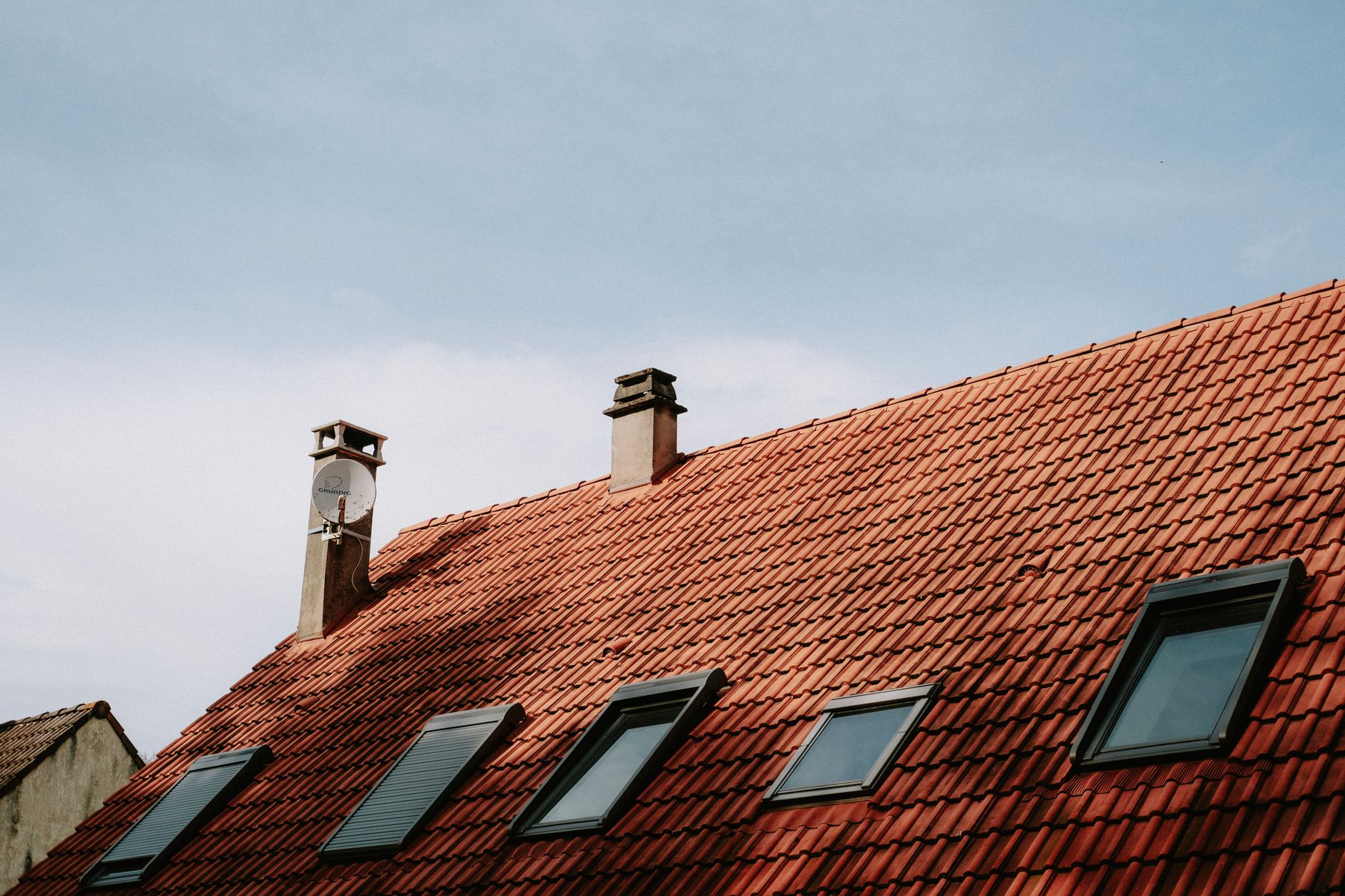
Chimney Repair in Laguna Niguel With the Gas Appliance in Mind
Tell Us the Symptom
A line about what the unit or chimney is doing, and we ring back to plan the visit.
What the Visit Covers
Most chimney repairs begin with a finding: a split flue tile, a crown that lets water through, joints gone sandy, rusted flashing. We price each item on its own line so you can do the safety work first and leave cosmetic work for later. On a fireplace that now burns gas, we also make sure the repair keeps the vent path the appliance maker calls for.
How Gas Exhaust Wears a Chimney Differently
People are often surprised that switching to gas does not end chimney repairs. A wood fire sends hot, dry smoke up the flue; a gas burner sends cooler exhaust carrying a surprising amount of water vapor. On a tall masonry chimney, especially one on an outside wall in a foggy part of Laguna Niguel, that vapor cools before it reaches the top and condenses on the tile. Over a few winters the wet joints soften, flakes of tile and mortar drop onto the smoke shelf, and the flue that looked fine under wood starts to come apart from the inside. Outside, the same chimney is dealing with sea air that rusts caps and flashing faster than it would twenty miles inland. Repairs on these houses tend to cluster in the same places: the flue lining, the top of the chimney, and the joint where the stack meets the roof.
We start by finding out which of those is actually the problem. A smell of exhaust in the room, a pilot that blows out on windy days, water at the base of the firebox and white crust on the outside brick all point to different parts. The repair that follows might be a stainless liner sized to the gas appliance, a rebuilt or sealed crown, new flashing, a cap with the right screen, or a damper that has rusted solid. Each part has its own page below. Small fixes we can often price at the visit; bigger work gets a written scope listing what is coming out, what goes in, and what we expect to find once the old material is off. Fixing the inside without the outside, or the reverse, usually means a second call within a few winters.
Prices You Can See and Prices We Have to Measure
A few repairs have set prices on this site. Tracing and stopping a leak is $590 to $3,550, with the top of that span reserved for water that enters in more than one place. Crickets carry two figures: $470 to $1,065 when only the ridge goes in, $710 to $1,750 when every piece of metal around the stack is renewed at once. A new cap is quoted after we measure; its size and metal drive the price. Everything else, from a crown rebuild to a damper replacement, has too many variables to post a single number, so its number comes on paper once a technician has climbed up and also looked into the hearth. Where one fault caused another, we say which came first, so the cheaper fix is not wasted.
On that paper every item carries its own line, letting you pick this winter's work and park the rest, and any hidden area that could alter the scope is flagged. If the work turns out larger once old mortar or metal comes off, we stop and talk before going further. Owners preparing a house for sale can read our page on repairs ranked for safety first, which explains how we order a list when a buyer's report has landed on the table. For everything else, the contact form is the start: tell us what you are seeing and where. Nothing on that page is a sales pitch; it is the order we would fix our own chimney in. Owners not selling still find it useful as a way to sort a long list into this year, next year and later.
The Kerrigan Order of Work
Read First
A meter or camera points to the part before we name it
Maker's Parts
Replacements ordered by model number from the maker's list
Price on Paper
Published prices where we have them, a written figure otherwise
Test Burn
A full burn and a carbon monoxide reading before we leave
Chimney Repair around Laguna Niguel
Our home towns get a page of their own for this job, with notes on the houses and fireplaces we meet there.
CA
Chimney Repair in Laguna Niguel
Our home city, incorporated in 1989, is a place where metal fireboxes and gas units outnumber masonry, which shows up mainly in custom hillside homes. On a gas unit we open with the pilot hood, the thermocouple tip and the gasket around the glass.
View local serviceCA
Chimney Repair in Dana Point
Masonry tends to belong to the older custom homes, while newer construction leans on factory-built or gas units. Inside a Monarch Beach estate, the rating plate on the firebox tells us which valve, burner and glass fit before a single part comes out.
View local serviceCA
Chimney Repair in Laguna Woods
Of the housing here, 90% predates 1980, and just 7% stands detached, so a gas fireplace may share a wall with the unit next door. For residents 55 and older, a pilot that lights first try and a remote that answers make the hearth simple again.
View local serviceCA
Chimney Repair in Mission Viejo
From the 1960s on, the Mission Viejo Company shaped these streets, and their hearths run mostly to metal boxes and gas, with masonry in early and custom houses. Sooty or lazy flames off a log set usually mean shifted logs or plugged burner ports, and we sort out which.
View local serviceMore Kerrigan Services
Chimney Sweep
Soot and glaze lifted off the flue walls, the smoke shelf emptied, and a short note on what came out and why.
Learn More →Chimney Inspection
A flue in steady use gets the Level 1 check; a house where something has changed gets the Level 2 camera survey.
Learn More →Fireplace Inspection
The room side of the hearth: firebox walls, glass, damper, hearth reach and how close the mantel sits to the opening.
Learn More →Fireplace Repair
Cracked firebrick, worn refractory panels, sticky dampers and loose glass doors put right with parts rated for the heat.
Learn More →Chimney Level 2 Inspection
Video of each flue plus the attic and crawl space, booked when the house sells, the fuel changes or the ground shakes.
Learn More →Chimney Cap Installation
Stainless or copper tops fitted over each flue, with ember mesh on wood flues and the maker's listed top on gas vents.
Learn More →Chimney Flashing Repair
Rusted or lifted metal at the roof line replaced in the right overlap, so rain runs over each seam rather than into it.
Learn More →Chimney Masonry Repair
Soft joints repointed, flaking brick swapped out and cracks read for movement, with a mortar picked to suit the brick.
Learn More →Chimney Rebuilds
Stacks taken down to firm brick and built back with steel, ties to the house framing, a new crown, a cap and a liner.
Learn More →Fireplace Cleaning
Ash, soot and glass cleaned from the room side, then a small test fire to see whether smoke stays in the flue.
Learn More →Gas Fireplace Cleaning
On a gas unit we clean burner ports, pilot hood, ember bed and glass, then check the flame and read for carbon monoxide.
Learn More →Gas Fireplace Repair
Pilots that drop out, igniters that spark with no flame and valves that stay shut, traced with a meter before a part is ordered.
Learn More →Fireplace Remodel
New faces, mantels and hearths planned around the clearances a gas or wood unit needs, measured before you pick stone or tile.
Learn More →Fireplace Inserts
Gas and wood inserts set into a sound firebox, with a full-height liner, a gas supply where needed and the permit filed.
Learn More →Pellet Stove Repair
Pellet stoves that jam, fail to catch or quit mid burn, traced through the board codes and fixed with the maker's parts.
Learn More →Wood Stove Repair
Door rope, baffle, firebrick and combustor renewed on wood stoves, and the clearances on the label measured against the room.
Learn More →Gas Logs
Vented log sets picked for your opening, fitted on a clean flue, with burner and logs laid out the way the maker shows.
Learn More →Chimney Seismic Retrofit
Steel bracing, straps or a lighter rebuilt top for brick chimneys, chosen after a look at how sound the masonry is.
Learn More →Chimney Crown Repair
Cracked or flat crowns sealed, or poured new so water sheds off the edge and the flue tile is free to move.
Learn More →Dryer Vent Cleaning
Lint cleared from the dryer duct end to end, the outside flap freed, and airflow measured before and after.
Learn More →Chimney Liner Installation
Stainless liners sized to the appliance and run the full flue height, for gas inserts, wood stoves or a cracked clay flue.
Learn More →Chimney Leak Repair
Water at the chimney traced to where it enters, whether flashing, crown, brick face or an open flue, and fixed at that point.
Learn More →Chimney Waterproofing
A breathable repellent on sound brick, put on after the repairs are done, so the face sheds winter rain.
Learn More →Chimney Damper Repair
Rusted, bent or stuck throat dampers freed or replaced, or a sealing top damper fitted on the crown with a cable to the firebox.
Learn More →Chimney Chase Cover
Rusted or sagging metal tops on framed chimneys replaced with stainless made to measure, sloped so water runs off.
Learn More →